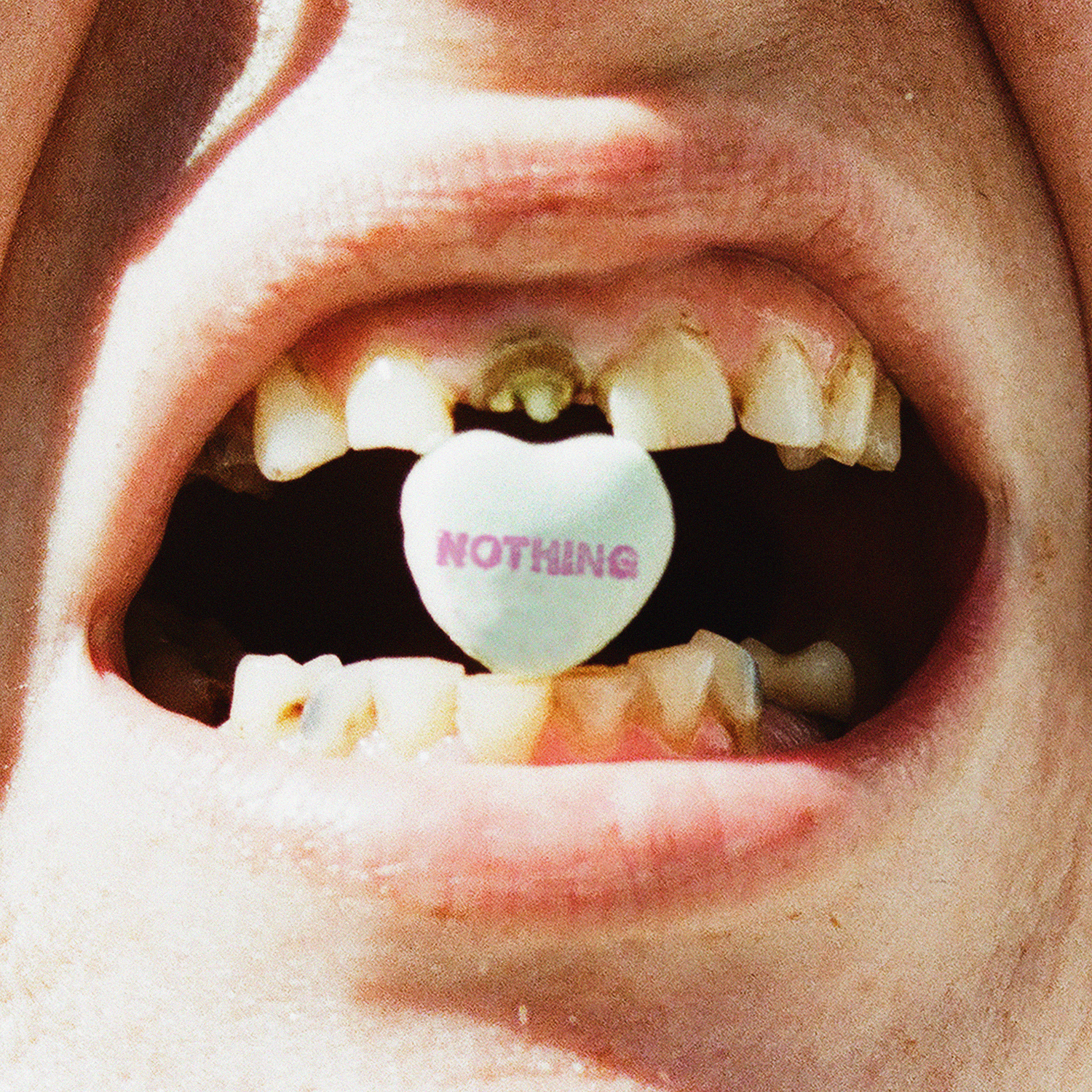
Le groupe shoegaze de Philadelphie Nothing revient avec a short history of decay, disponible dès le 27 février via Run For Cover Records. Leur cinquième album, et le premier depuis The Great Dismal en 2020, est leur œuvre la plus expansive sur le plan sonore et la plus émouvante à ce jour. Plutôt que de réécrire leur identité, Nothing affine le son qu’ils ont perfectionné au fil des ans : des guitares réverbérées et saturées, des transitions fluides d’un morceau à l’autre et une charge émotionnelle qui persiste longtemps après que chaque note s’est évanouie. C’est un album réfléchi, qui se savoure lentement, un voyage hypnotique où tout semble interconnecté.
par Zo’
English version below
L’album s’ouvre sur « never come never morning », une chanson douce et calme au début, comme un océan qui commence à s’éveiller. L’intensité monte progressivement avant de revenir au calme à la fin. Une ligne de basse régulière ancrent le morceau tandis qu’une section de cuivres ajoute à la fois puissance et vulnérabilité. Les instruments sont accompagnés d’une voix fragile, presque chuchotée. La mélancolie et la nostalgie imprègnent le morceau, notamment dans la phrase « When I was young… », où Nicky Palermo se souvient de son enfance avec un père violent. Ce sont des souvenirs qu’il a gardés pendant des années et qu’il laisse enfin s’exprimer ici. Comme il l’explique, il utilise cet album pour enfin écrire sur des choses dont il n’a jamais vraiment parlé auparavant, mais surtout sur des choses qu’il a toujours eu peur d’écrire. Après cette entrée en matière, « cannibal world », le premier single annonçant l’album, semble plus agressif dans son son, plus brut et plus rapide, mais la voix reste proche du murmure. Les textures électro se fondent dans l’intensité industrielle du groupe, fusionnant la dureté et une vulnérabilité criante. Le contraste entre la force instrumentale et l’interprétation retenue de Palermo confère au morceau une tension particulière. Sur le morceau titre, « a short history of decay », la voix est une fois de plus presque ensevelie sous une couche de guitares saturées. La mélodie du refrain nous transporte tout aussi facilement que celle du premier morceau de l’album, en particulier sur la phrase « Have you seen my friends? I’ve been here over and over again ». Elle semble cyclique, comme prise dans une répétition, ce qui convient bien à un album préoccupé par le temps et le déclin.
« the rain don’t care » commence par une simple mélodie à la guitare avant que la batterie ne s’y ajoute lentement. La réverbération s’efface légèrement, laissant place à un moment plus clair, plus exposé. Le morceau s’écoute comme une ballade, et l’on imagine facilement Palermo assis devant un public silencieux. Il y a quelque chose dans son atmosphère qui rappelle Radiohead, avec une touche de retenue et d’intimité. Cette ambiance se poursuit avec « purple strings », enrichie par des arrangements de cordes mettant en vedette la harpiste Mary Lattimore, qui a déjà contribué à des projets précédents de Nothing. L’orchestration approfondit la palette émotionnelle tout en conservant le même ton réfléchi. « toothless coal » revient à une énergie plus industrielle. Les guitares fuzz dominent et le rythme s’accélère, mais le morceau laisse encore de la place pour respirer. L’intensité ne semble jamais précipitée, elle monte simplement de façon régulière. Avec « ballet of the traitor », l’album revient à la contemplation. Autre moment lent, il donne l’impression de se déplacer dans le brouillard, porté par la mélodie plutôt que par la force. « nerve scales » apporte des notes de guitare légères et des battements de batterie réguliers, la voix de Palermo reposant doucement dans le mix. « It wears me out… », chante-t-il, et cela ressemble à une fin, mais une fin pleine de soulagement. Le morceau se termine par une section instrumentale qui s’interrompt presque brutalement, mais laisse néanmoins un écho en suspens dans l’air. L’album se termine par « essential tremors », qui commence par une guitare lointaine et la voix seule de Palermo, avant que la batterie et des instruments plus riches n’arrivent avec plus de détermination. Même lorsqu’il monte en puissance, le morceau conserve une douceur, quelque chose de réconfortant et de rassurant. Dans sa seconde moitié, l’explosion se poursuit : plus de fuzz, plus de réverbération, la distorsion s’amplifie alors qu’il chante « You’re my favorite fears ». La chanson se termine submergée par le bruit. Ici, Palermo chante sans détour son trouble neurologique, les tremblements essentiels, et on peut l’entendre légèrement vibrer dans chaque souffle. Cette maladie, similaire à la maladie de Parkinson et présente dans sa famille, est devenue plus importante au cours des dernières années. Depuis le dernier album de Nothing, le tremblement est devenu subtilement audible dans sa voix. Il chante le temps qui passe, la lutte contre lui-même, l’analyse des regrets. D’une certaine manière, a short history of decay documente ce déclin.
L’album ne s’éloigne pas des influences shoegaze et post-punk de Nothing, et ne tente pas non plus d’ouvrir un nouveau chapitre audacieux. Au contraire, il donne l’impression d’en clore un. Nicky Palermo le qualifie de « chapitre final », non pas la fin de Nothing, mais la conclusion d’une histoire qui a commencé avec Guilty of Everything et qui s’achève ici. C’est autant un instantané du passé qu’un pas discret vers l’avenir du groupe. Nothing n’a jamais eu un son aussi colossal, n’a jamais été aussi intime, n’a jamais été aussi honnête. a short history of decay ne les réinvente pas, mais les révèle. Le groupe se produira au Rock In Bourlon (France) l’été prochain.
Tracklist :
01 : never come never morning
02 : cannibal world
03 : a short history of decay
04 : the rain don’t care
05 : purple strings
06 : toothless coal
07 : ballet of the traitor
08 : nerve scales
09 : essential tremors
Philadelphia shoegaze band Nothing returns with a short history of decay, released on this February 27th via Run For Cover Records. Their fifth record, and first since 2020’s The Great Dismal, stands as their most sonically expansive and emotionally work to date. Rather than rewriting their identity, Nothing refines the sound they have perfected over the years: reverbed and fuzzed guitars, seamless transitions from one track to another, and an emotional weight that lingers long after each note fades. This is a reflective, slow-burn record, an hypnotic journey where everything feels interconnected.
by Zo’
The album opens with “never come never morning”, soft and calm at first, like an ocean just beginning to wake. The intensity builds gradually before settling back into quietness by the end. A steady bass line anchors the track while a brass section adds both power and vulnerability. The instruments are accompanied by a fragile, almost whispered vocal delivery. Melancholy and reminiscence runs through the track, mainly the line “When I was young…” as Nicky Palermo recollects growing up with an abusive father. These are memories he’s held onto for years, and here he finally lets them out. As he explains, he is using this record to finally write about things he has never really talked about before but most of all things he has always been scared to write about. After that entry “cannibal world”, the first single announcing the record, feels more aggressive in sound, rawer and faster, yet the vocal remains close to a whisper. Electro textures blend into the band’s industrial-gaze intensity, fusing harshness with stark vulnerability. The contrast between the instrumental force and Palermo’s restrained delivery gives the track a particular tension. On the title track, “a short history of decay”, the voice is once more almost buried beneath a layer of fuzzed guitars. The chorus melody carries us away just as easily as the album’s opener, especially on the line “Have you seen my friends? I’ve been here over and over again.” It feels cyclical, as if caught in repetition, fitting for a record preoccupied with time and decline.
“the rain don’t care” begins with a simple guitar melody before the drums slowly join in. Reverb steps slightly aside, allowing a clearer, more exposed moment. It plays like a ballad, easy to imagine Palermo seated in front of a quiet crowd. There is something in its atmosphere that recalls Radiohead with something that is restrained and intimate. That mood continues with “purple strings”, enriched by string arrangements featuring harpist Mary Lattimore, who has contributed to previous Nothing projects. The orchestration deepens the emotional palette while maintaining the same reflective tone. “toothless coal” returns to a more industrial-gaze energy. Fuzzed guitars dominate and the pace quickens, yet the track still allows space to breathe. The intensity never feels rushed, just steadily rising. With “ballet of the traitor”, the record drifts back into contemplation. Another slow-burn moment, it feels like moving through fog, carried by melody rather than force. “nerve scales” brings light guitar notes and steady drum beats, Palermo’s voice resting gently within the mix. “It wears me out…” he sings, and it feels like an ending, but one filled with relief. The track closes on an instrumental section that cuts off almost brutally, yet still leaves an echo hanging in the air. The album concludes with “essential tremors”, beginning with distant guitar and Palermo’s voice alone before drums and fuller instrumentation arrive with more determination. Even as it builds, the track maintains a softness, something comforting and reassuring. In its second half, the explosion is sustained: more fuzz, more reverb, distortion swelling as he sings “You’re my favorite fears.” The song ends submerged in noise. Here, Palermo sings plainly about his neurological disorder, essential tremors, and you can hear it flutter faintly in each breathy utterance. The condition, similar to Parkinson’s and present in his family, has become more prominent over the past few years. Since Nothing’s last record, the tremble has grown subtly audible in his voice. He sings about time catching up, about wrestling with himself, about dissecting regret. On one level, a short history of decay documents that decline.
The record does not step away from Nothing’s shoegaze and post-punk influences, nor does it attempt to start a bold new chapter. Instead, it feels like the closing of one. Nicky Palermo calls it a “final chapter”, not the end of Nothing, but the conclusion of a story that began with Guilty of Everything and now resolves here. As much a snapshot of the past as it is a quiet step toward the band’s future. Nothing has never sounded this colossal, never felt this intimate, never been this honest. a short history of decay doesn’t reinvent them but reveals them. The band will be playing at Rock In Bourlon (France) next summer.
 Sounding Shivers