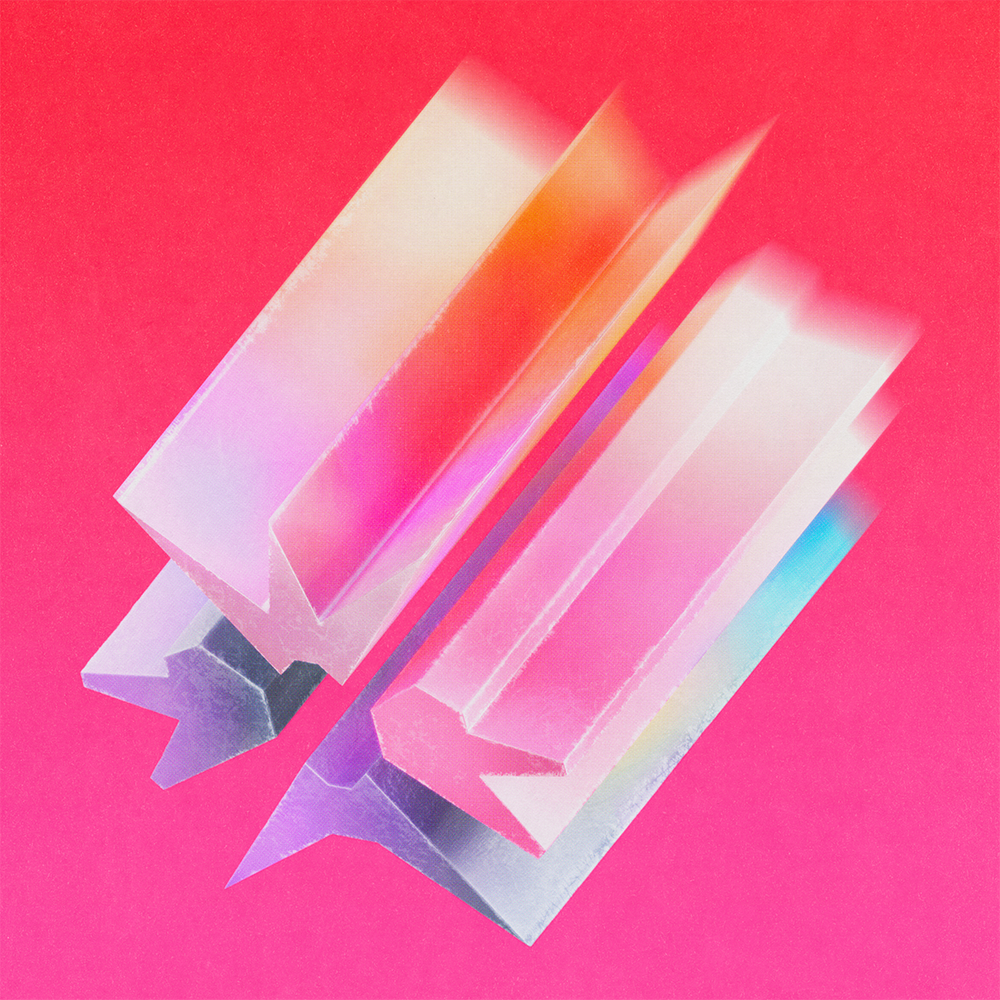
Le quintette de l’Alabama ERRA revient avec silence outlives the earth, son septième album, deux ans après CURE et sorti via UNFD. Connu pour son son metalcore/djent moderne, le groupe développe ce qui est devenu son style caractéristique : un mélange de technicité djenty, de mélodies fluides et de paroles émouvantes. Pour la pochette, le groupe troque le monochrome pour un fuchsia vif. Cela pourrait suggérer quelque chose de plus léger ou de plus joyeux, mais l’album prouve rapidement le contraire. Au contraire, silence outlives the earth plonge dans les thèmes de l’existence et de la condition humaine. Une atmosphère onirique flotte tout au long de l’album, comme si nous essayions tous de survivre au chagrin, à l’état du monde et à l’espoir silencieux d’y échapper.
par Zo’
English version below
L’album s’ouvre sur « Stelliform », construit sur un jeu de guitare lumineux qui rappelle immédiatement le son d’ERRA. Des rythmes rapides et précis portent le morceau tandis que le groupe remet ses racines metalcore progressif au premier plan. Les cris de J.T. Cavey et la voix mélodique et claire de Jesse Cash s’équilibrent naturellement. La chanson reflète le cycle d’espoir et de désespoir qui accompagne souvent l’existence. Un solo de guitare juste avant le dernier refrain vient boucler la boucle. Après ce premier morceau, « further eden » prend rapidement une tournure plus sombre. Des riffs de guitare lourds ouvrent le morceau, tandis que les voix superposées de Jesse Cash et J.T. Cavey créent une tension. Lors du deuxième break, l’une des guitares passe à un riff aux sonorités sci-fi, ajoutant une nouvelle dimension à l’approche technique du groupe. Au niveau des paroles, le morceau pousse les auditeurs à libérer leur colère et leur anxiété quant à l’avenir de l’humanité : « We’re on the wrong side of a loaded gun ». Avec « gore of being », le deuxième single sorti, le groupe se tourne pleinement vers le metalcore moderne. Le morceau est rapide, lourd et porté par un énorme break. Le refrain reste accrocheur tandis que les guitares conservent un haut niveau de technicité. Les paroles traitent du deuil, donnant une dimension émotionnelle à l’intensité. Par moments, cela rappellera Currents aux auditeurs. « black cloud » change à nouveau l’atmosphère. Jesse Cash prend le lead au chant, sa voix claire et puissante porte le morceau, en particulier lorsqu’il demande « Where are you now? ». Le refrain explosif monte dans les aigus, suivi d’un post-refrain dissonant et groovy. Un pont aérien et un solo de guitare brûlant ajoutent à l’énergie frénétique de la chanson. La lourdeur revient avec « cicada siren ». Des riffs agressifs ouvrent le morceau et les cris de Jesse Cavey reprennent le dessus. Tout moment plus doux disparaît rapidement lorsque la batterie frappe fort et que les guitares se lancent dans le genre de jeu technique qui a défini le travail d’ERRA sur les guitares à sept cordes. « echo sonata » apporte, une fois de plus, un bref changement de rythme. La chanson semble être un retour à l’époque 2016 du groupe, mais avec une approche plus moderne et raffinée. Après l’intensité du morceau précédent, elle offre un moment plus doux au milieu de l’album. Avec « lucid threshold », le thème de la fuite devient central. Le morceau mélange de nombreux éléments contradictoires, mais tout finit par s’assembler en un tout harmonieux. Une fois encore, les voix des chanteurs s’entremêlent, mais la structure permet à chaque couche vocale de ressortir clairement. Après « spiral (of liminal infinity) », l’atmosphère onirique se poursuit. Un solo de guitare doux fait avancer le morceau, menant à un pont instrumental qui semble presque éthéré.
L’album se termine par une séquence en trois parties qui joue avec la dualité entre le chaos orchestré, la technicité vertigineuse et une conclusion vocale poignante. « i the many names of god » est presque entièrement porté par les cris de JT Cavey. Le morceau est plus lourd que les précédents et propulse le groupe vers un territoire légèrement nouveau. Des riffs de guitare incisifs font avancer le morceau jusqu’à la fin. « ii in the gut of the wolf » suit avec un fort sentiment d’urgence au début. Dans la dernière minute, le bruit s’estompe jusqu’à ne presque plus rien laisser, laissant place à la voix de Jesse Cash. Le morceau s’adoucit vers la fin, avec des notes de guitare simples qui restent en suspens et des voix claires délivrées lentement. Enfin, « iii twilight in the reflection of dreams » clôt l’album. Le jeu de guitare complexe revient, avec notamment des passages en tapping, mais le rythme reste plus lent. Les voix claires sont mises en valeur par la mélodie, nous ramenant à l’atmosphère onirique qui imprègne l’album.
Dans l’ensemble, silence outlives the earth semble plus sombre et plus violent que la plupart des précédents albums d’ERRA, même si l’atmosphère onirique continue d’envelopper l’album. Le début de la trilogie finale apporte les moments les plus intenses de l’album et ajoute quelque chose qui se démarque dans la liste des titres. Les contrastes restent forts, le travail à la guitare conserve sa complexité emblématique et les voix véhiculent une véritable charge émotionnelle du début à la fin.
Tracklist :
01 : stelliform
02 : further eden
03 : gore of being
04 : black cloud
05 : cicada siren
06 : echo sonata
07 : lucid threshold
08 : spiral (of liminal infinity)
09 : i the many names of god
10 : ii in the gut of the wolf
11 : iii twilight in the reflection of dreams
The Alabama quintet ERRA returns with silence outlives the earth, their seventh album, arriving two years after CURE and realeasing via UNFD. Known for their modern metalcore/djent sound, the band expands what has become their signature style: a mix of djenty technicality, smooth melodies and emotional lyrics. For their cover, the band trades the monochrome for a bright fuchsia. It could suggest something lighter or joyful, but the record quickly proves otherwise. Instead, silence outlives the earth dives into themes of existence and the human condition. A dreamy atmosphere floats through the album, as if we are all trying to survive through grief, the state of the world, and the quiet hope of escaping it.
by Zo’
The record opens with « stelliform », built on a bright guitar play that feels instantly familiar to ERRA’s sound. Rapid and precise rhythms carry the track while the band brings their progressive metalcore roots back to the forefront. J.T. Cavey’s screams and Jesse Cash’s melodic clean vocals balance each other naturally. The song reflects on the cycle of hope and despair that often comes with existence. A guitar solo just before the last chorus ties the whole together. After that first track, « further eden » quickly turns darker. Heavy guitar riffs open the track, while the layered vocals from Jesse Cash and J.T. Cavey creates tension. During the second breakdown, one of the guitars shifts into a sci-fi sounding riff, adding another layer to the band’s technical approach. Lyrically, the track pushes listeners to release their anger and anxiety about the future of the human race: “We’re on the wrong side of a loaded gun.” With « gore of being », the second single released, the band leans fully into modern metalcore. The track is fast, heavy, and driven by a massive breakdown. The chorus remains catchy while the guitars keep a strong level of technicality. The lyrics wrestle with grief, giving emotional weight to the intensity. At moments, it will remind listeners of Currents. « black cloud » shifts the atmosphere again. Jesse Cash takes the vocal lead, his soaring clean vocals carry the track, especially when he asks “Where are you now?” The explosive chorus rises with high notes, followed by a dissonant and groovy post-chorus. An airy bridge and a burning guitar solo add to the frenetic energy of the song. The heaviness returns with « cicada siren ». Aggressive riffs open the track and Jesse Cavey’s screams take control again. Any softer moment quickly disappears as the drums hit hard and the guitars move through the kind of technical playing that has defined ERRA’s work on seven-string guitars. « echo sonata » brings, once again, a brief change of pace. The song feels like a throwback to the band’s 2016 era, but with a more modern and refined approach. After the intensity of the previous track, it offers a softer moment in the middle of the record. With « lucid threshold », the theme of escape becomes central. The track mixes many contradictory elements, yet everything eventually connects into a harmonic whole. Once again, the voices of the singers intertwine, but the structure allows each layer of their vocals to stand out clearly. After « spiral (of liminal infinity) » continues the dreamy atmosphere. A soft guitar solo carries the track forward, leading into an instrumental bridge that feels almost ethereal.
The album closes with a three-part sequence that plays with the duality between orchestrated chaos, dizzying technicality and a poignant vocal conclusion. « i the many names of god » is almost entirely driven by JT Cavey’s screams. The track is heavier than what came before and pushes the band into slightly new territory. Cutting guitar riffs push the song forward until the end. « ii in the gut of the wolf » follows with a strong sense of urgency at first. In the last minute, the noise fades until almost nothing remains, leaving space for Jesse Cash’s voice. The track softens toward the end, with simple guitar notes hanging in the air and clean vocals delivered slowly. Finally, « iii twilight in the reflection of dreams » closes the record. Complex guitar playing returns, including tapping sections, but the pace remains slower. The clean vocals are highlighted by the melody, bringing us back to the dreamy atmosphere that runs through the album.
Overall, silence outlives the earth feels darker and more violent than much of what ERRA has done before, even if that dreamlike atmosphere still surrounds the record. The beginning of the closing trilogy brings the heaviest moments of the album and adds something that stands apart within the tracklist. The contrasts remain strong, the guitar work keeps its iconic complexity, and the vocals carry a real emotional weight from beginning to end.
A lire aussi / Also to be read :
 Sounding Shivers