Pour leur septième album studio, Black Veil Brides revient avec Vindicate, dont la sortie est prévue le 8 mai chez Spinefarm. À la croisée du hard rock, du théâtre gothique et d’une libération émotionnelle brute, cet album ne cherche pas à réinventer le son du groupe, mais plutôt à l’affiner. Il dégage une impression de concentration, d’intentionnalité, presque comme une déclaration d’intention.
par Zo’
English version below
Comme l’explique Andy Biersack, « cet album est ancré dans des sentiments de vengeance et de justification… ils peuvent alimenter la croissance, l’ambition, nous aider à surmonter ce qui a tenté de nous briser, mais ils peuvent aussi devenir destructeurs si nous les laissons nous consumer. » Cette dualité imprègne l’album tout entier, façonnant à la fois son récit et son atmosphère. Chaque morceau explore une facette différente de cette lutte, parfois dirigée vers les autres, parfois tournée vers l’intérieur, mais toujours liée à la résilience et au refus de laisser s’éteindre cette étincelle intérieure.
L’album s’ouvre sur « Invocation To The Muse », une introduction cinématographique portée par des notes d’orgue et une atmosphère sombre, presque rituelle. La voix d’Andy Biersack intervient comme celle d’un narrateur, plantant le décor avec un ton dramatique qui s’apparente davantage au générique d’un film ou d’un jeu vidéo qu’à un morceau traditionnel. Elle s’achève sur « No redemption, no forgiveness, vindicate. » L’ambiance est immédiatement plantée et cette tension se prolonge directement dans « Vindicate », le morceau-titre, qui nous plonge au cœur de l’album. Il commence de manière presque trompeuse, avant d’adopter pleinement le son caractéristique du groupe. La voix d’Andy porte le morceau avec aisance, oscillant entre des passages chantés clairs et des moments plus rugueux et agressifs, tandis que le refrain s’impose instantanément, accrocheur et conçu pour rester en tête. Avec « Certainty », le groupe s’oriente vers quelque chose de plus épique. Des éléments de chœur créent une anticipation avant que des riffs écrasants n’explosent, créant un contraste à la fois grandiose et lourd. « Bleeders » suit avec une énergie plus directe, entraînante et percutante, maintenant l’élan sans perdre cette touche théâtrale. Après cela, « Hallelujah » s’ouvre sur un ton gospel surprenant avant que tout ne bascule. Les guitares frappent, les cris transpercent l’air, et un sentiment d’urgence s’empare de l’écoute. C’est un morceau qui joue une fois de plus sur les contrastes, ce que le groupe maîtrise clairement ici.
Un tournant s’opère avec « Cut », en featuring avec Lilith Czar. Le morceau démarre plus lentement, presque comme une ballade, les violons remplaçant l’approche habituelle dominée par la guitare avant que le tempo ne s’accélère. Il offre un premier véritable moment de répit dans l’album, tout en conservant une forte charge émotionnelle. Il y a quelque chose de puissant à les entendre à nouveau ensemble, faisant écho à ce qu’ils partageaient autrefois sur « Lost It All ». Le solo de guitare final et le dernier refrain mènent tout à son paroxysme sans rompre cet équilibre fragile. Juste après, « Alive » nous replonge dans quelque chose de plus lourd et de plus sombre. L’absence de chant clair au début est frappante, ce qui fait ressortir encore plus le refrain lorsqu’il arrive. C’est un morceau qui vire sans hésitation vers l’intensité.
À partir de là, l’album offre davantage de pauses. « Purgatory » fait office de court interlude instrumental, commençant dans un univers sombre, presque inquiétant, avant de s’ouvrir sur quelque chose de plus lumineux, comme si l’on pénétrait dans une clairière après s’être perdu dans l’obscurité d’une forêt. Une brève pause avant que la vague suivante ne déferle.
Sur « Revenger », en featuring avec Robb Flynn de Machine Head, son influence est immédiatement perceptible, tant au niveau instrumental que dans le chant. Cela apporte une texture différente à l’album tout en s’intégrant naturellement à son atmosphère. « Sorrow » et « Grace » continuent d’élargir la palette émotionnelle, cette dernière étant un interlude qui s’oriente à nouveau vers une approche plus classique avec des éléments de violon qui donnent presque l’impression d’être transporté dans une salle de concert l’espace d’un instant. Mais ce calme est de courte durée. « Ave Maria » ramène instantanément le poids, avec des riffs plus percutants, presque violents, comme pour nous arracher à ce moment de paix.
« Woe & Pain » continue de pousser cette tension encore plus loin, avant que l’album ne se termine avec « Eschaton ». Le piano et le chant mènent ici la danse, revenant à une atmosphère cinématographique, presque envoûtante. Cela ressemble à une déclaration finale, quelque chose à la fois intime et vaste, clôturant l’album sur une note puissante et contemplative.
Vindicate ne donne pas l’impression d’être un simple recueil de chansons. L’album avance avec une intention claire, construisant un univers cohérent autour de la vengeance, du jugement, de la survie et du prix émotionnel à payer pour refuser de rester à terre. L’aspect théâtral n’est pas seulement présent dans la musique elle-même, mais aussi dans les visuels accompagnant la sortie, renforçant ainsi l’identité du projet dans son ensemble. Plutôt que de se réinventer, Black Veil Brides perfectionne ce qu’il fait de mieux. Le résultat est un album centré sur la résilience, un album qui touche l’auditeur dans l’instant présent, mais qui est clairement conçu pour perdurer au-delà.
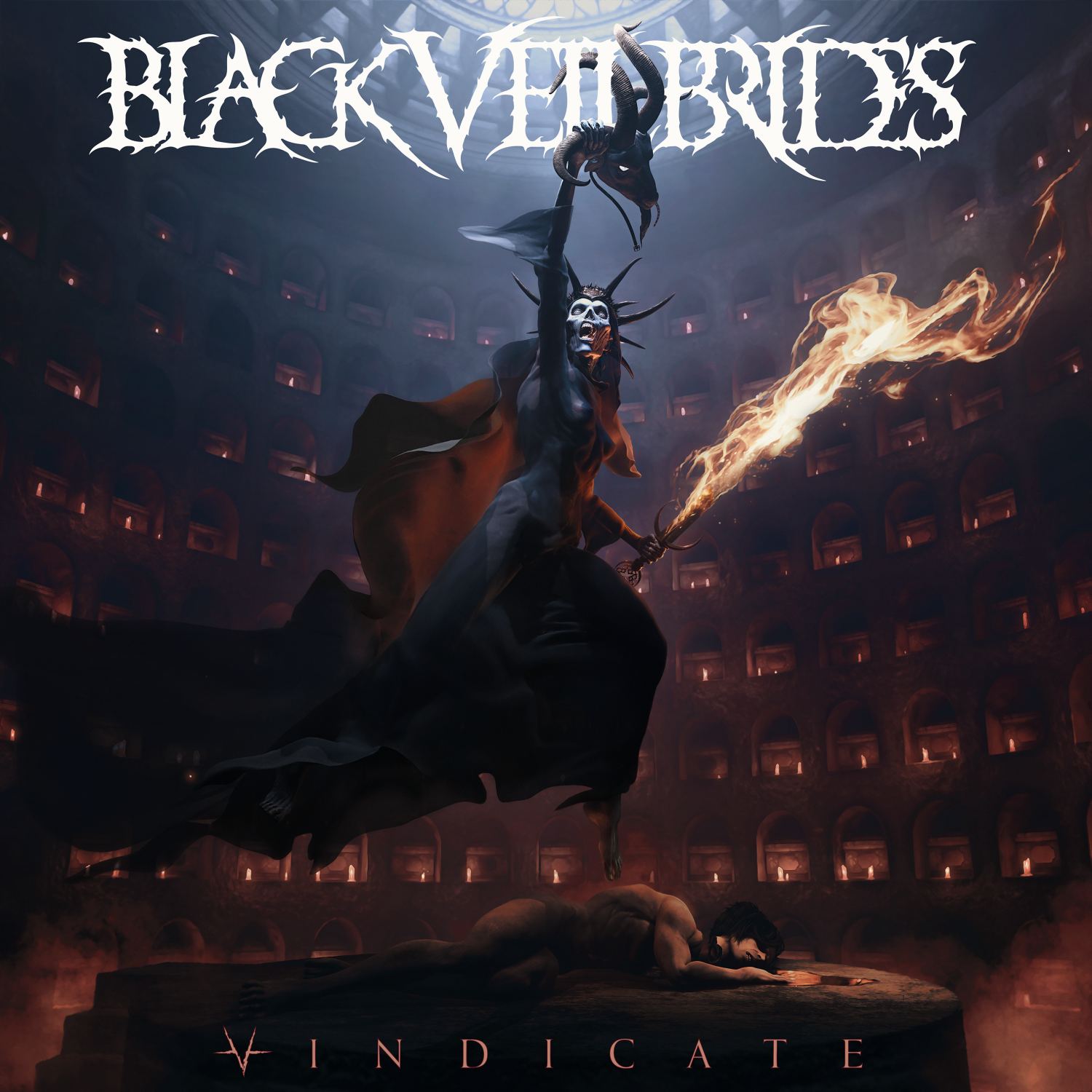
Trakclist :
01 : Introduction To The Muse
02 : Vindicate
03 : Certainty
04 : Bleeders
05 : Hallelujah
06 : Cut
07 : Alive
08 : Purgatory
09 : Revenger
10 : Sorrow
11 : Grace
12 : Ave Maria
13 : Woe & Pain
14 : Eschaton
For their seventh studio album, Black Veil Brides return with Vindicate, set for release on May 8th via Spinefarm. Sitting at the crossroads of hard rock, gothic theatre and raw emotional release, the record doesn’t try to reinvent the band’s sound but rather sharpens it. It feels focused, intentional, almost like a statement of purpose.
by Zo’
As Andy Biersack explains, “this album is rooted in feelings of revenge and vindication… they can fuel growth, ambition, help us overcome what tried to break us, but they can also become destructive if we let them consume us.” That duality runs through the entire record, shaping both its narrative and its atmosphere. Each track explores a different side of that struggle, sometimes directed at others, sometimes turned inward, but always tied to resilience and the refusal to let that inner spark fade.
The album opens with “Invocation To The Muse”, a cinematic introduction carried by organ notes and a dark, almost ritualistic atmosphere. Andy Biersack’s voice comes in like a narrator, setting the scene with a dramatic tone that feels closer to the opening of a film or a video game than a traditional track. It closes with “No redemption, no forgiveness, vindicate.” The mood is set instantly and that tension flows directly into “Vindicate”, the title track, which throws us into the core of the album. It starts almost deceptively, before fully embracing the band’s signature sound. Andy’s voice carries the track with ease, moving between clean vocals and rougher, more aggressive moments, while the chorus lands instantly, catchy and built to stick. With “Certainty”, the band leans into something more epic. Choir elements build anticipation before crushing riffs explode, creating a contrast that feels both grand and heavy. “Bleeders” follows with a more straightforward energy, catchy and driving, keeping the momentum alive without losing that theatrical edge. After that “Hallelujah” opens on a surprising gospel tone before everything shifts. Guitars hit, screams cut through, and a sense of urgency takes over. It’s a track that plays with contrast once again, something the band clearly masters here.
A shift happens with “Cut”, featuring Lilith Czar. The track starts slower, almost like a ballad, with violins replacing the usual guitar-driven approach before the tempo rises. It offers a first real breathing moment in the album, while still carrying a lot of emotional weight. There’s something powerful in hearing them together again, echoing what they once shared on “Lost It All”. The final guitar solo and last chorus bring everything to a peak without breaking that fragile balance. Directly after that, “Alive” pulls us back into something heavier and darker. The absence of clean vocals at the beginning is striking, making the chorus stand out even more when it arrives. It’s a track that leans into intensity without hesitation.
From there the record offers more breaks. “Purgatory” acts as a short instrumental interlude, starting in a dark, almost unsettling place before opening into something brighter, like stepping into a clearing after being lost in the dark of a forest. A brief pause before the next wave hits.
On “Revenger”, featuring Robb Flynn of Machine Head, his influence is immediately noticeable, both in the instrumentals and the vocal delivery. It brings a different texture to the record while still fitting naturally within its atmosphere. “Sorrow” and “Grace” continue to expand the emotional palette, the latter being an interlude again leaning into a more classical approach with violin elements that feel almost like being transported into a concert hall for a moment. But that calm is short-lived. “Ave Maria” brings the weight back instantly, with riffs hitting harder, almost violently, as if snapping us out of that moment of peace.
“Woe & Pain” keeps pushing that tension further, before the album closes with “Eschaton”. Piano and vocals lead the way here, returning to a cinematic, almost haunting atmosphere. It feels like a final statement, something both intimate and vast at the same time, closing the record on a powerful and reflective note.
Vindicate doesn’t feel like a random collection of songs. It moves with intent, building a cohesive world around revenge, reckoning, survival, and the emotional cost of refusing to stay down. The theatrical aspect isn’t only present in the music itself, but also in the visuals surrounding the release, reinforcing the identity of the project as a whole.Rather than reinventing themselves, Black Veil Brides refine what they do best. The result is an album centered on resilience, one that connects in the moment but is clearly built to last beyond it.
 Sounding Shivers