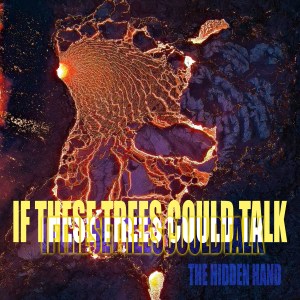
Depuis la sortie de The Bones of a Dying World en 2016, If These Trees Could Talk s’est imposé comme l’un des noms incontournables de la scène post-rock moderne. Entre rééditions de leur catalogue, quelques compositions inédites et surtout une longue période de silence discographique de près de huit ans, les Américains se sont faits particulièrement discrets. Mais l’attente touche enfin à sa fin : ce 10 juillet, le quintette d’Akron dévoile The Hidden Hand, son nouvel album studio, toujours sous la bannière de Metal Blade Records. Un retour attendu de pied ferme par les amateurs de paysages instrumentaux grandioses et d’émotions à fleur de peau.
par Marye DAVENNE
English version below
Ce grand retour se fait avec « Archons » qui se construit doucement autour de cymbales frémissantes et de longues notes aériennes qui installent une atmosphère contemplative avant de déboucher sur une envolée post-rock dont le groupe a le secret. Une entrée en matière tout en finesse qui rappelle à quel point les Américains excellent dans l’art de bâtir la tension. Cette montée en puissance se prolonge avec « Moon Machine », avant de trouver son premier véritable sommet sur « Sea of Glass ». Le titre déploie un paysage post-rock fluide et lumineux, porté par des guitares cristallines et des envolées particulièrement inspirantes. Les refrains gagnent progressivement en ampleur jusqu’à une conclusion à la fois hypnotique et explosive. Impossible de ne pas penser à Oh Hiroshima tant les similitudes sautent aux oreilles : même goût pour les mélodies exaltantes, même capacité à évoquer un mélange d’espoir et de mélancolie. Dans les passages où la tension grimpe crescendo, certaines harmonies donnent même l’illusion d’entendre des cuivres accompagner les guitares.
Puis arrive « Blurry Creature », sans doute l’un des morceaux les plus marquants du disque. Le groupe y concentre tout ce qui fait sa force : des riffs massifs, des alternances parfaitement maîtrisées entre accalmies et explosions sonores, ainsi que ces effets de delay ambiants et syncopés qui participent à son identité. Particularité notable, des voix font leur apparition sous la forme de chœurs scandés en « oh oh oh », davantage utilisés comme un instrument supplémentaire que comme un véritable chant. Un détail qui renforce considérablement l’intensité du morceau et qui laisse déjà imaginer des concerts fédérateurs où le public reprendra ces lignes à l’unisson. Le genre de titre qui rappelle instantanément pourquoi on aime le post-rock.
Le groupe enchaîne ensuite avec le diptyque « Silence Between Mountains ». La première partie sert d’interlude contemplatif, laissant les guitares s’entrelacer délicatement dans une atmosphère presque méditative. La seconde prend quant à elle un virage beaucoup plus sombre et massif. La batterie se fait martiale, les riffs gagnent en agressivité et le tandem guitare-basse semble parfois emprunter l’énergie du black metal tandis que la batterie conserve l’assise caractéristique du post-rock. La puissance dégagée est impressionnante et procure cette sensation étrange d’être minuscule, écrasé au beau milieu d’une forêt montagneuse. Avec « Metanoia », If These Trees Could Talk dévoilent une autre facette de leur écriture. Les sonorités évoquent par moments les années 80 grâce à un travail remarquable sur les effets de delay et les textures progressives. Soutenu par une batterie incisive, le morceau s’illumine finalement d’un solo aérien dont les accents rappellent le David Gilmour des grandes heures de Pink Floyd. L’ambiance change une nouvelle fois avec « Flim », morceau hommage à Aphex Twin, dont l’influence sur le groupe n’a jamais été un secret. L’exercice aurait pu surprendre sur le papier, mais il s’intègre naturellement à l’ensemble grâce à son caractère particulièrement lumineux et à sa capacité à conserver l’émotion de l’œuvre originale tout en la retranscrivant dans le langage d’If These Trees Could Talk.
Enfin, « Endlessly Connected » vient refermer l’album sur une note hypnotique. Un riff répétitif tourne inlassablement sur lui-même, comme une boucle infinie dont il semble impossible de s’extraire. Puis, progressivement, le volume s’estompe, les notes s’éloignent et l’album disparaît dans le silence, laissant derrière lui une impression de sérénité et de suspension du temps.
Cette richesse des arrangements n’est d’ailleurs pas le fruit du hasard. Zack Kelly décrit lui-même l’approche du groupe comme celle d’un orchestre : « la basse couvre le registre du violoncelle, les guitares rythmiques assurent le rôle des bois et la guitare solo celui des cordes ». Une philosophie qui transparaît tout au long de The Hidden Hand, particulièrement dans la manière dont les musiciens articulent les transitions entre passages clairs et saturés. Plus que jamais, If These Trees Could Talk démontrent ici leur capacité à faire dialoguer puissance et émotion avec une élégance remarquable. Un retour plus que réussi, pour un bel été.
Tracklist :
- Archons
- Moon Machine
- Sea of Glass
- Blurry Creature
- Silence Between Mountains, Pt. 1
- Silence Between Moutains, Pt. 2
- Metanoia
- Flim
- Endlessly Connected
Since the release of The Bones of a Dying World in 2016, If These Trees Could Talk has established itself as a key name in the modern post-rock scene. Between catalog reissues, a few unreleased tracks, and—above all—a long silence lasting nearly eight years, the American band has kept a notably low profile. But the wait is finally over: on July 10th, the Akron-based quintet unveils The Hidden Hand, its new studio album, once again via Metal Blade Records. It is a comeback eagerly awaited by fans of sweeping instrumental soundscapes and deeply emotive music.
This major return kicks off with « Archons, » a track that builds gently around shimmering cymbals and long, airy notes, establishing a contemplative atmosphere before erupting into the kind of soaring post-rock crescendo the band has mastered. It is a subtle opening that reminds us just how skilled the Americans are at building tension. This momentum carries over into « Moon Machine » before reaching its first true peak on « Sea of Glass. » The track unfolds a fluid, luminous post-rock soundscape, driven by crystalline guitars and particularly inspiring soaring melodies. The choruses gradually swell in scale, leading to a conclusion that is both hypnotic and explosive. It is impossible not to think of Oh Hiroshima, as the similarities are striking: the same taste for uplifting melodies and the same ability to evoke a blend of hope and melancholy. During the track’s rising crescendos, certain harmonies even create the illusion of brass instruments accompanying the guitars.
Then comes « Blurry Creature, » arguably one of the album’s standout tracks. The band concentrates everything that defines their strength here: massive riffs, perfectly executed shifts between quiet lulls and explosive sonic outbursts, and the signature ambient, syncopated delay effects that are central to their identity. A notable feature is the appearance of vocals—specifically, chanted « oh oh oh » backing vocals—used more as an additional instrument than as traditional singing. This detail significantly intensifies the track and conjures up images of rousing live shows where the audience joins in, singing these lines in unison. It is the kind of track that instantly reminds you why you love post-rock.
The band then moves into the two-part « Silence Between Mountains. » The first section serves as a contemplative interlude, allowing the guitars to weave together delicately within an almost meditative atmosphere. The second part, however, takes a much darker and more massive turn. The drumming becomes martial, the riffs grow more aggressive, and the guitar-bass pairing seems to borrow energy from black metal, even as the drums maintain the steady foundation characteristic of post-rock. The sheer power unleashed is impressive, evoking the strange sensation of feeling tiny—crushed—in the heart of a mountainous forest. With « Metanoia, » If These Trees Could Talk reveal another facet of their songwriting. The soundscape occasionally evokes the 80s, thanks to remarkable work on delay effects and progressive textures. Driven by incisive drumming, the track eventually opens up into an ethereal solo with echoes of David Gilmour during Pink Floyd’s heyday. The mood shifts once more with « Flim, » a tribute to Aphex Twin—an artist whose influence on the band has never been a secret. While the concept might have seemed surprising on paper, it fits naturally into the album, thanks to its radiant quality and its ability to preserve the original work’s emotional core while translating it into the unique musical language of If These Trees Could Talk. Finally, « Endlessly Connected » brings the album to a close on a hypnotic note. A repetitive riff circles endlessly, like an infinite loop from which there seems to be no escape. Then, gradually, the volume fades, the notes drift away, and the album dissolves into silence, leaving behind a sense of serenity and suspended time.
This richness of arrangement is no accident. Zack Kelly himself describes the band’s approach as orchestral: « the bass covers the cello range, the rhythm guitars take on the role of the woodwinds, and the lead guitar that of the strings. » This philosophy shines through across *The Hidden Hand*, particularly in how the musicians handle the transitions between clean and distorted passages. More than ever, If These Trees Could Talk demonstrate their ability to blend power and emotion with remarkable elegance. A triumphant return for a beautiful summer.

