Dès les premières notes, Monarch dégage quelque chose de troublant. Avec ce troisième album, Dead Poet Society nous plonge dans une facette plus sombre et plus intense de leur rock alternatif moderne, où la colère, la tristesse et le malaise s’entrechoquent sans cesse. Le quatuor nous propose un voyage cinématographique à travers la destruction, la fureur et la douleur, que l’on a le plaisir d’explorer à leurs côtés. Une fois de plus, leur utilisation de la guitare et de la basse sans frettes leur confère une identité particulière, mais cette fois-ci, ils semblent déterminés à l’explorer dans une direction plus sombre. Monarch sortira le 2 octobre chez Spinefarm.
par Zo‘
English version below
Le premier morceau, « Hollywood On Fire », donne immédiatement le ton avec une intro inquiétante avant que la basse n’entre en scène avec des riffs lourds et réverbérés. Le morceau est étonnamment entraînant malgré son atmosphère dérangeante, nous donnant des frissons tandis que les guitares « djenty » apportent quelque chose de bien différent de leurs précédents travaux. Il y a là quelque chose de presque hypnotisant, et on se retrouve rapidement pris au piège de son rythme et charmé par la phrase « We set Hollywood on fire ‘cause we wanted to », qui nous appelle presque à une sorte de révolution. « Roach » pousse cette noirceur encore plus loin avec un rythme qui s’intensifie. Un couplet parlé sombre introduit ensuite le morceau avant que des riffs saturés ne viennent s’abattre. Le morceau semble beaucoup plus agressif et oppressant, et est empreint de décadence, mais nous rappelle clairement « .Salt. », qui figurait sur leur premier album, !. « All you are is Roach » reste gravé dans nos esprits tandis que la chanson ne cesse d’amplifier ce sentiment étrange et inconfortable, tout en persistant ; plus on l’écoute, plus on s’y attache. Avec « Die If You Don’t », le groupe réintroduit un peu plus de mélodie tout en conservant l’atmosphère inquiétante qui nous entoure depuis le début. Cependant, son côté accrocheur s’accompagne également d’une touche quelque peu sensuelle. Le morceau dégage une légère ambiance à la Twenty One Pilots, ce qui est logique puisque l’album a été produit par Paul Meany, qui a également travaillé avec le duo. La phrase « Die if you don’t need me anymore » nous laisse un sentiment de vulnérabilité sous toute cette noirceur, mais aussi un arrière-goût amer, comme quelque chose de toxique. Ensuite, « Sinner Systems » reste dans la même veine que « Roach », avec des riffs tranchants et une atmosphère sombre. Bien que la mélodie soit un peu plus présente, le morceau conserve un côté sensuel et brut, à l’image du titre précédent, mais ce sentiment est encore plus marqué dans les paroles. Le morceau se termine sur un outro instrumental riche en bruits électroniques.
Puis, de manière inattendue, « Lost » ralentit le rythme. « I get lost in my head, in my head, I don’t know myself again » nous frappe et nous semble immédiatement familier, tandis que l’approche plus douce et mélodique nous offre un moment de répit. Ensuite, « Cold » nous ramène vers le Dead Poet Society que nous connaissons déjà. S’ouvrant sur des textures électroniques, le morceau est plutôt groovy et nous emporte sans peine. « How did I become so cold ? » est au cœur du morceau, l’artiste s’interrogeant et regrettant le passé, entouré de ce son familier et de cette atmosphère plus sombre qui est désormais une constante tout au long de l’album. Après cela, « Psalm 136 » recommence à tout faire monter en puissance grâce à des riffs agressifs et un rythme soutenu. La pause est terminée. Le morceau dégage une telle puissance qui ne cesse de s’intensifier tout au long de la chanson, et on imagine facilement le groupe sur scène, y mettant toute son énergie. Cette intensité se poursuit avec « Dead On The Inside », qui débute par de simples riffs de guitare entraînants avant que le reste du groupe ne se joigne à lui. Plus tard dans le morceau, le chant prend presque un caractère cérémoniel, tandis que la batterie et les percussions occupent brièvement le devant de la scène pendant quelques mesures. Puis tout s’accélère, presque comme si quelqu’un augmentait progressivement la vitesse de lecture, rendant l’ensemble du morceau de plus en plus frénétique.
« Miami For The Weekend » offre un nouveau changement d’ambiance. Le début semble davantage ancré dans le rock’n’roll avant de devenir progressivement plus éthéré, tout en conservant cette atmosphère si caractéristique de Dead Poet Society. C’est un morceau entraînant, et « I think I love you! I really do » est désormais une déclaration délibérée qui fait écho à la phrase « I’m in love » de « Sinner Systems ». « Get Hot » est sans doute l’un des morceaux où l’on reconnaît le plus Dead Poet Society dès les premières notes. L’ouverture rappelle leurs précédents travaux, avant que les guitares réverbérées ne reviennent avec un son plus grunge et plus brut. « The Park » enchaîne parfaitement, ramenant l’atmosphère inquiétante du début de l’album. Le chant semble furieux et presque hanté, comme si ce qui nous a suivis tout au long du disque commençait enfin à nous rattraper, mais que nous essayions de le repousser : « Get Out, I know you’re inside, Get Out, You’re dying tonight. » Le morceau nous écrase sous sa ligne de basse, qui semble plus oppressante que jamais.
Enfin, « The Art Of Suffering » clôt l’album de manière bien plus sobre, mais non sans émotion. Le morceau démarre lentement, avec des notes de guitare cristallines qui résonnent avant l’entrée du chant. Il n’y a pas de batterie au début, puis un rythme électronique fait son apparition, suivi d’une batterie réelle qui reste relativement discrète. Tout monte lentement en intensité, mais au lieu de se terminer par une dernière explosion de colère, Dead Poet Society nous laisse avec quelque chose de bien plus douloureux. Il ne reste plus de fureur à libérer, seulement de la souffrance. Et si une larme doit couler sur votre joue lors d’un concert, « The Art Of Suffering » sera sans doute le morceau qui s’y prêtera le mieux.
Avec Monarch, Dead Poet Society explore une facette plus sombre de son univers musical sans pour autant perdre ce qui fait son identité. Entre riffs agressifs, mélodies accrocheuses, textures grunge et moments plus éthérés, l’album oscille constamment entre tension et vulnérabilité. Mais par-dessus tout, il y a ce sentiment étrange de malaise, comme si quelque chose nous suivait de la toute première note jusqu’à la dernière.
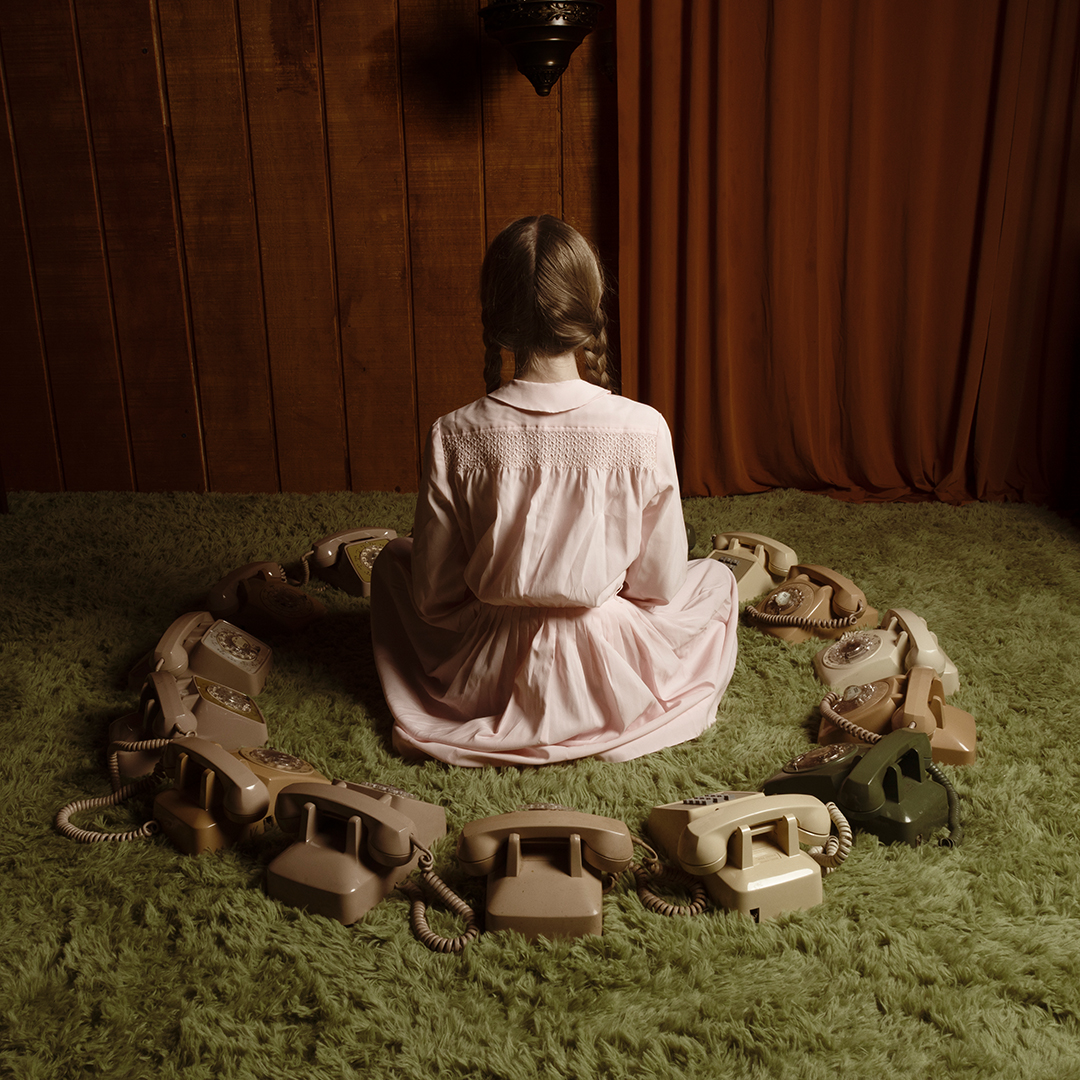
Tracklist :
01 : Hollywood On Fire
02 : Roach
03 : Die If You Don’t
04 : Sinner Systems
05 : Lost
06 : Cold
07 : Psalm 136
08 : Dead On The Inside
09 : Miami For The Weekend
10 : Get Hot
11 : The Park
12 : The Art Of Suffering
There is something unsettling about Monarch from the very beginning. With their third album, Dead Poet Society take us into a darker and heavier side of their modern alt rock, where anger, sadness and unease constantly collide. The four-piece builds a cinematic journey through destruction, fury and pain that we are glad to explore with them. Once again, their use of fretless guitar and bass gives them a particular identity, but this time they seem determined to push it somewhere darker. Monarch will be available on October 2nd via Spinefarm.
by Zo‘
The opening track, “Hollywood On Fire”, immediately sets the tone with a creepy opening before the bass kicks in with heavy, reverberated riffs. The track is surprisingly bouncy despite its unsettling atmosphere, giving us shivers while the djenty guitars bring something quite different from their previous work. There is something almost hypnotising about it, and we quickly find ourselves trapped in its rhythm and charmed by the line “We set Hollywood on fire ‘cause we wanted to”, which is almost calling us to a kind of revolution. “Roach” pushes that darkness even further with a growing beat. A dark spoken verse then introduces the track before saturated riffs come crashing in. It feels much more aggressive and oppressive, and is full of decay, but clearly remind us of « .Salt. » that was on their first record, !.“All you are is Roach” sticks in our heads as the song keeps building that strange, uncomfortable feeling, but still lingers, and the more you listen to it, the more it grows on you. With “Die If You Don’t”, the band brings back a little more melody while keeping the unsettling atmosphere we have been surrounded by since the beginning. However, with its catchiness also comes something that is kind of sensual. The track has a slight Twenty One Pilots’ vibe to it, which makes sense considering the record was produced by Paul Meany, who also worked with the duo. The sentence “Die if you don’t need me anymore” leaves us with a more vulnerable feeling underneath all the darkness, but also a bitter taste of something toxic. After that, “Sinner Systems” stays in the same territory as “Roach”, with cutting riffs and a dark atmosphere. Although the melody becomes a little more present, they keep it a bit sensual and raw like the previous track, but much more so in the lyrics. The track ends on an instrumental outro that is full of electro noises.
Then, unexpectedly, “Lost” slows everything down. “I get lost in my head, in my head, I don’t know myself again” strikes us and immediately feels relatable, while the softer and more melodic approach gives us a moment to breathe. Then “Cold” brings us closer to the Dead Poet Society we already know. Starting with electronic textures, the track is kind of groovy and takes us along easily. “How did I become so cold?” sits at the heart of the track, questioning himself and regretting things in the past, surrounded by their familiar sound and the darker atmosphere that has now become a constant throughout the album. After that, “Psalm 136” starts building everything back up through aggressive riffs and a steady rhythm. The break is over. The track carries so much power that intensifies throughout the song, and we can easily imagine the band on stage, giving every last bit of their energy to it. That intensity continues with “Dead On The Inside”, which begins with nothing but bouncy guitar riffs before the rest of the band joins in. Later in the track, the vocals almost become ceremonial, while the drums and percussion briefly take the spotlight for a couple of measures. Then everything speeds up, almost as if someone is progressively increasing the reading speed, making the whole track feel more and more frantic.
“Miami For The Weekend” offers another change of atmosphere. The beginning feels more rooted in rock’n’roll before slowly becoming more ethereal, while still keeping that very Dead Poet Society feeling. It is catchy, and “I think I love you! I really do” is now a fully intended declaration that echoes the line “I’m in love” from “Sinner Systems”. “Get Hot” is probably one of the tracks where we recognise Dead Poet Society the most from the very beginning. The opening feels close to their previous work, before the reverberated guitars return with a grungier and dirtier sound. “The Park” follows perfectly, bringing back the creepy atmosphere from the beginning of the album. The vocals sound angry and almost haunted, as if whatever has been following us throughout the record is finally starting to catch up, but we are trying to put it away: “Get Out, I know you’re inside, Get Out, You’re dying tonight.” The track is crushing us under the bass line, which feels more oppressive than ever.
Finally, “The Art Of Suffering” closes the album in a much more restrained way, but still full of emotions. The track starts slowly, with clear guitar notes resonating before the vocals come in. There are no drums at first, then an electronic beat appears, followed by real drums that remain relatively discreet. Everything slowly builds in intensity, but instead of ending with one last explosion of anger, Dead Poet Society leave us with something much more painful. There is no more fury left to release, only hurt. And if a tear needs to roll down your cheek during a live session, « The Art Of Suffering » will probably be the chosen track.
With Monarch, Dead Poet Society embrace a darker side of their sound without losing what makes them recognisable. Between aggressive riffs, catchy melodies, grungy textures and more ethereal moments, the album constantly moves between tension and vulnerability. But above everything else, there is this strange feeling of unease, as if something is following us from the very first note until the last one.

